Tag: Largify Solutions

  • What is Largify Solutions? Vision, Mission and Services

    What is Largify Solutions? Vision, Mission and Services

    Largify Solutions, a tech-forward company, is located in Burewala, in Pakistan. Leading Largify Solutions is its founder, Muhammad Ali Haider, who is described as a visionary tech leader. Recognized for driving tech innovation from Pakistan to the world with passion, his leadership philosophy is visible in his company’s motto

    “Building the future with intelligence, purpose, and heart.”

    In this fast paced era, businesses are constantly looking for ways to grow, innovate and operate faster and seamlessly. This is where Largify Solutions comes in as your trusted digital advisor and partner, offering faster and smarter digital products with scalability in mind to help startups and enterprises grow without much worries.

    With a team of innovators, strategists and creators, Largify Solutions empower businesses to scale with confidence by transforming their ideas into influential digital products. 

    About Us: Who we Are

    Largify Solutions is a complete digital and software services company, serving clients across the world. From custom enterprise software to AI-powered solutions, Largify Solutions help businesses to scale globally.

    Largify Solutions understands that businesses have unique requirements and needs, so they avoid a on-fit -all solution and instead focus on creating a tailored solution that matches their industry, needs, and goals.

    Our team includes skilled professionals from diverse backgrounds – software engineers, cybersecurity experts, marketing strategists, project managers. They all work with one purpose, to help your business succeed. 

    Our Vision: Building the Future, Together

    Our vision is simple, yet powerful: 

    “At Largify, we envision transforming IT systems into smart, agile, and AI-driven digital assets. With a decade of expertise, we empower global clients through innovative, adaptive solutions, shaping a future where technology meets the dynamic demands of a connected world.”

    In a world, where technology changes overnight, we become a partner for businesses on whom they can rely – not just for today’s problem and solutions but also for tomorrow’s opportunities. 

    This vision inspires us to invest and stay active in emerging technologies like AI, blockchain, cloud computing, and data analytics so that we can secure the future of our clients’ business. And help them stay ahead in competition. 

    Our Mission: Turning Ambitions into Achievements

    At Largify Solutions, our mission is: 

    To empower businesses with cutting-edge technology solutions, unlocking their growth potential by connecting them with passionate and skilled engineers.”

    We focus on 

    • Listening before building and keeping transparent communications with the clients.
    • Solving real problems by integrating plugins. 
    • Creating scalable solutions for future growth.
    • Supporting the client beyond just delivery.

    Our Services

    We offer a wide range of services in every field of business: 

    1. Custom Software development: 

    Tailor-made enterprise applications to automate operations, manage workflows, and scale your organization efficiently. Bespoke applications, ERP system, CRM solutions, and automation tools designed for high-quality performance. 

    Comprehensive custom services also include: 

    • End-to-End Software Development
    • Cross-Platform App Development
    • Custom Mobile Applications
    • SaaS Solutions
    • Legacy System Modernization
    • API integration

    2. Web Development:

    We create high-performance websites that look stunning and convert with ease. Optimized for speed, SEO, and user experience. From sleek corporate websites to e-commerce platforms, combining top-tier design with high-performance coding.

    What we are good at: 

    • Cutting-Edge Technologies
    • Responsive Design
    • Performance Optimization
    • Web Security

    3. Mobile App Development:

    From Android to iOS, we build feature-rich mobile apps that deliver smooth, secure, and scalable performance. At Largify Solutions, all mobile apps are built with one clear motive in mind – to bring measurable business outcomes.

    What we excel at: 

    • Mobile-First Architecture
    • Enterprise Mobility
    • Integration Expertise
    • Performance Optimization
    • Custom Mobile Solutions

    4. Cybersecurity and Penetration Testing:

    Defend your digital ecosystem with proactive penetration testing, threat analysis, and custom cybersecurity frameworks. 

    What we are good at:

    • Threat Detection and Response
    • Vulnerability Assessments & Penetration Testing
    • Data Protection & Encryption
    • Network Security & Firewalls
    • Cloud Security Solutions
    • Endpoint Protection & Device Management
    • Incident Response & Recovery
    • Compliance & Regulatory Support
    • Security Automation & Orchestration

    5. AI Solutions and Automation:

    Integrate artificial intelligence into your business operations to increase efficiency, reduce costs, and make smarter decisions.

    What we are good at:

    • Generative AI development
    • AI tools and Frameworks
    • Data-driven innovation

    6. ERP solutions:

    Modular ERP systems that streamline operations and adapt to your growth.

    What we are good at:

    • Work-flow optimization
    • Data-driven insights
    • Cross-functional integration
    • Scalable solutions
    • Custom implementation

    Along with other services as well like:

    • Cloud-based solutions
    • E-Commerce Solutions
    • UI/UX Design
    • IT Consulting & Strategy
    • Digital Marketing & Growth Services

    Success Stories: Real Results, Real Impact

    Largify Solutions has helped many clients over the years and maintained a good relation with them.

    Some Notable Clients:

    • AGICE Oman
    • University of Management & Technology (UMT) Lahore
    • Techverse Lahore
    • Business Venturez
    • Salon Mirrors (Dubai)

    Our Work Speaks for Itself:

    “Largify transformed our operations with a tailor-made ERP system. Efficiency improved by over 40% in just three months.”
    CEO, Logistics Firm (UAE)

    “Thanks to their SEO team, we now rank #1 for key search terms in our niche. Monthly traffic grew by 300%.”
    Retail Brand, USA

    “Reliable, responsive, and results-oriented. We couldn’t ask for a better tech partner.”

    — Ahmad M., CEO, Fintech Startup

    “Largify’s security team identified and fixed vulnerabilities others missed. Highly professional.”

    — Sarah J., CISO, Logistics Company

    Why Choose Largify Solutions?

    Experience across industries: 

    We bring innovation across various industries with our custom AI solutions to empower businesses to set into the digital world. Some of those industries include: 

    • E-commerce and Retail
    • Healthcare and Telemedicine 
    • Ed-Tech and Learning programs
    • Saas startups and Tech companies 
    • Fintech and Banking
    • Logistics and Chain supply
    • Real Estate and Construction
    • AI diagnostics 

    Quality first mindset:

    We know what the client wants the most and its quality product. Our team makes sure that this motto is achieved and leaves no room for complain. We have rigorous QA testing for every product.

    Scalable and Future-proof: 

    It becomes essential that your business grows over time. And Largify Solutions helps your business scale so that it grows with you. 

    Transparent communication:

    The client may feel uneasy and anxious not knowing how the project process is going. Largify Solutions understands this and keeps the customer updated at every stage.

    Conclusion 

    Largify Solutions is not just a tech company, we are your strategic partner that is with you in every step. 

    Along with our expertise, vision and mission, we are here to help scale and grow your business smarter and faster.

    So if you are struggling to keep up with trends and are falling behind in the competitive market or you don’t have much tech knowledge, then worry not because Largify Solution offers free consultation to help your business.

    Then what are you waiting for? Book a free consultation now!
  • 10 Ways to Boost Your Product Visibility on Google

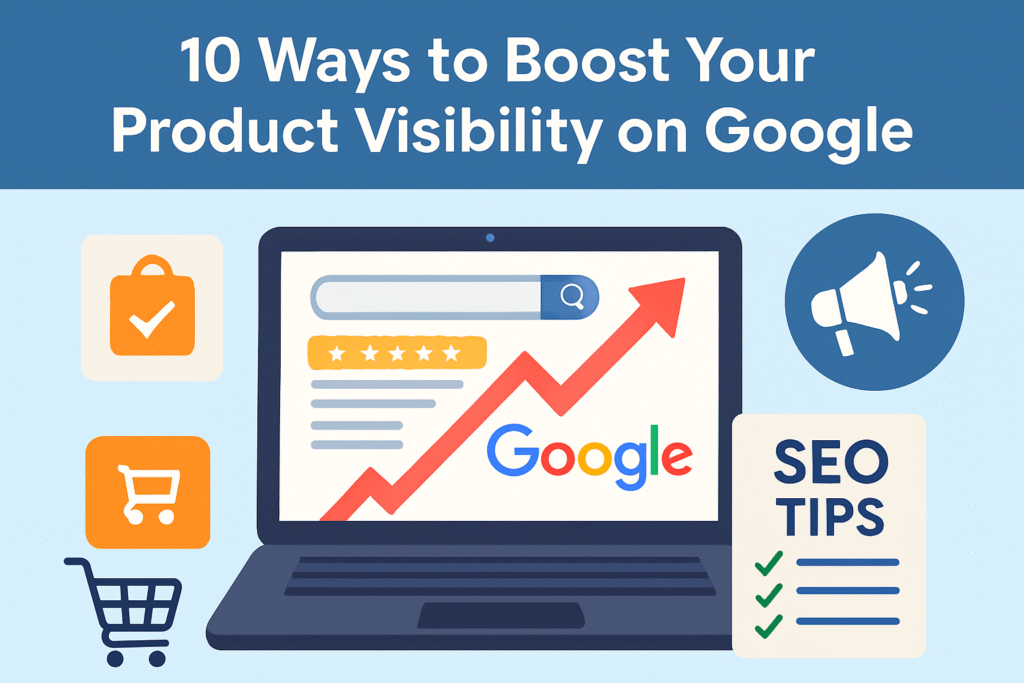
    10 Ways to Boost Your Product Visibility on Google

    It will be difficult to raise your product’s Google visibility, but you can use strategies and ideas to draw in more customers and traffic. You can actually increase the reach of your product. 

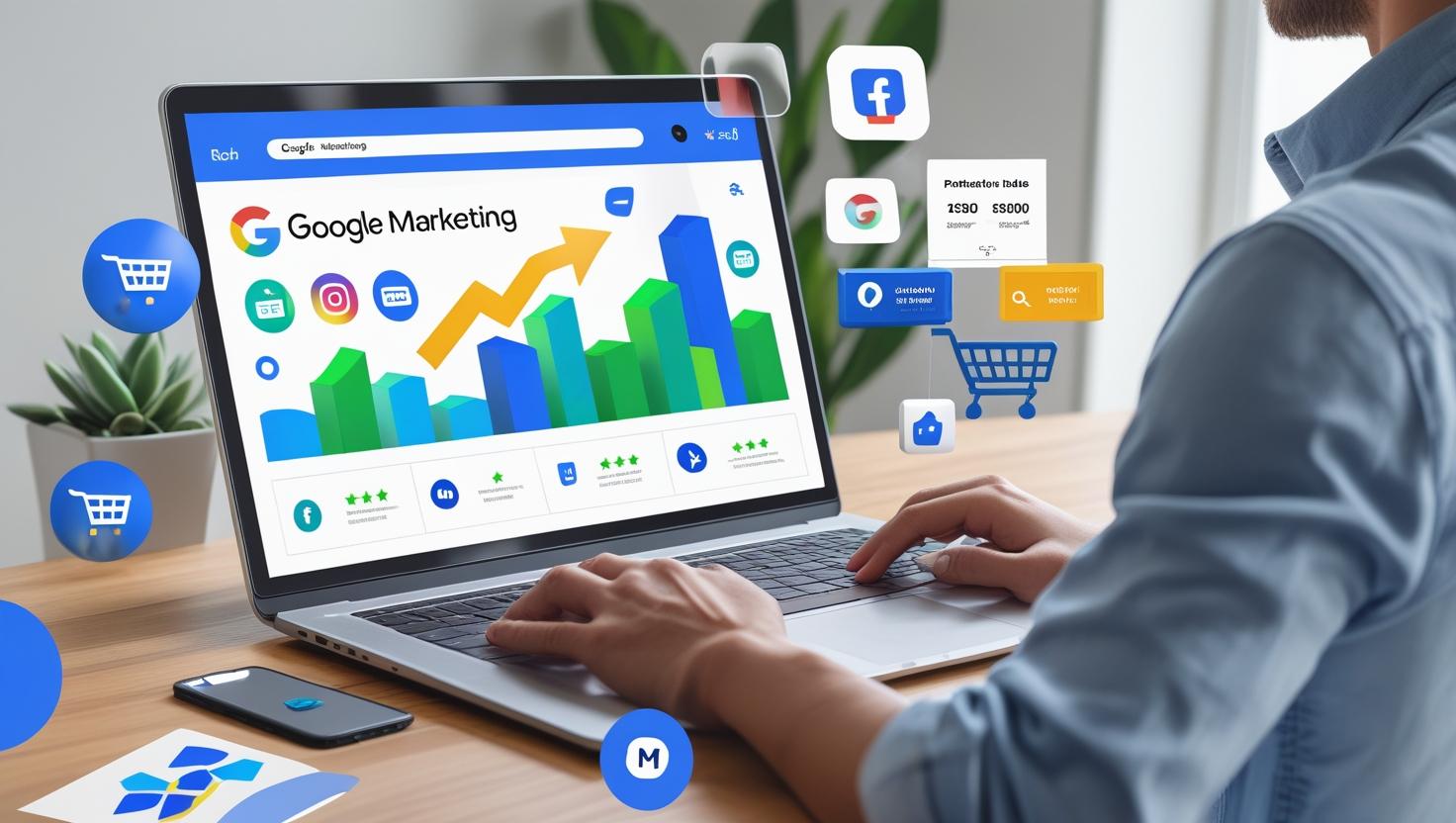
    Sharing product screenshots or images, linking to social media sites like Facebook, Instagram, Twitter, and many more, and making adjustments for SEO trends and changes are all ways to increase social media engagement. Google Ads can also be used for influencer partnerships, advertising, customer reviews, acquisition, and the publication of high-quality content. Largify Solutions can help you enhance Google visibility.

    Let’s look at doable strategies to improve the Google visibility of your product.

    1. Optimize Your Product Pages:

              Your internet stores are your product pages. Ensure they have optimized the keywords prospective buyers use in their searches. Add crisp, excellent photos and thorough explanations emphasizing the special advantages of your products. You can create attention-grabbing product pages that turn visitors into buyers. Largify Solutions can help you in creating and optimizing your product page.

    2. Use Google My Business:

              Google My Business (GMB) is necessary if your business has a physical location. You may control your company’s Google Maps listing and search results using this free tool. Provide all required information, such as your address, phone number, and hours of operation. Your local visibility can be significantly increased with a properly configured GMB profile. Largify Solutions can assist in creating and refining your GMB profile that can draw in local clients. 

    3. Engage on Social Media:

               Social media sites are excellent resources for raising the visibility of your goods. Concentrate on producing visually appealing and captivating content for social media sites like Facebook, Pinterest, and Instagram.

    Regularly post updates that feature your products in authentic environments or through user-generated content. Use polls, live videos, and stories to engage your audience and create a brand community. Make the most of relevant hashtags as well to make it easier for prospective buyers to find your goods.

    To reach a larger audience, work with influencers who share your values. To build solid client relationships, be consistent in publishing high-quality content and responding to messages and comments right away, and Largify can help you with this.

    4. Create Useful Content:

              Rich content is essential for raising your search engine rankings and drawing organic traffic. Concentrate on creating excellent blog entries, manuals, and videos that offer insightful details about your goods. By conducting in-depth keyword research, you can find out what terms your target audience uses to search for your content. Then, organically incorporate those terms into your writing.

    Regularly adding new, relevant content to your blog keeps readers interested and search engines happy. To increase the engagement and shareability of your content, include multimedia components such as pictures, infographics, and videos.

    Largify Solutions can help you increase your site’s visibility and attract a constant flow of interested visitors by regularly producing worthwhile, keyword-optimized content.

    5. Gather Customer Reviews:

              Positive evaluations significantly influence purchase decisions. Urge your pleased clients to post reviews on Google and your website. Reacting promptly to favourable and unfavourable reviews builds your reputation. It demonstrates that you respect client input by creating a review request plan to collect testimonials to improve your internet reputation and attract new clients. With Largify Solutions, you can request a review strategy, and it helps you improve your reputation and attract new clients.

    6. Use Google Ads:

                Woop ads can help you gain huge exposure and help your target customers land on their Tribes store. Platforms such as Google Ads, Facebook Ads, and Instagram Ads enable you to target individuals based on interests, behaviours, and search patterns.

    Begin by determining your goals for the campaign and how much you’d like to spend. Design stunning images and powerful ad copy that make people want to click. One way to find out what types of ads will resonate the most with your audience is by A/B testing, so don’t be afraid to test out a few different things.

    This is why it is also vital to constantly track the most important numbers, such as conversion rates and click-through rates (CTR). With the assistance of Largify Solutions, by making ongoing campaign adjustments in response to this performance data, you’ll generate a more effective return on investment (ROI) and ensure your ads are relevant to your user base.

    7. Implement Structured Data:

              Structured data improves how your products appear in search results by giving search engines a better understanding of your content. Schematic markup may enhance your listings by adding details about availability, pricing, and reviews. This can increase click-through rates and make your products look better in search results. When it comes to Largify, it can assist you in the technical aspects of adding structured data to your product pages.

    8. Monitor Your Analytics:

              Making wise judgments requires knowing how well your website performs. Track crucial metrics like traffic, conversion rates, and user activity using Google Analytics. You can use this data to determine what is effective and requires modification. You can improve the outcomes of your strategy by routinely analyzing your analytics. Largify Solutions supports you in providing analytics support to assist you in efficiently interpreting your data and making data-driven decisions.

    9. Collaborate with Influencers:

                Influencer marketing can be a game-changer for your product. To start, find influencers who have values that align with your brand and whose fans match your ideal customer profile. Stop going for the one-off deal and instead look to the long term and build relationships.

    Authentic endorsements by popular personalities can significantly boost the product’s exposure and credibility. Offer influencers free products or other incentives in return for their reviews and testimonials of your product. While subtly shining a spotlight on why your products are a cut above the rest, ensure the content they create aligns with their regular aesthetic.

    Keep track of how those partnerships performed, perfect your next tactics, and never stop getting the best of influencer marketing.

    10. Stay Updated on SEO Trends:

                    You need to update the SEO adjustments to make your product more visible. Ensure your product title and description contain relevant, mostly trending keywords first. To rank the content higher, make it flow naturally without using awkward phrases.

    Understanding what a customer looks for is the first step in using keywords to highlight your product.

    You should also produce high-quality or valuable content about your product to increase traffic. Pay attention to the text and description; these often-overlooked components will significantly raise your Google search engine ranking.

    Conclusion:

    Getting your product seen on Google is a multi-pronged process. You can viably boost your online presence by optimizing your listings, taking advantage of Google My Business, shopping ads, good content, and engaging in social media. Pay close attention to your performance and keep yourself informed with the latest SEO trends for sustainability. 

    Apply these methods and see an increase in the visibility of your product. Largify Solutions has helped many businesses and Largify Solutions plays an important role in it as well.

  • 5 Best Security Practices for Your Online Store

    5 Best Security Practices for Your Online Store

    An online store is more than just a convenience for people– in today’s digital marketplace, it is the core of many businesses. Many big brands function online rather than having a physical store. And those that do have physical stores also have an online store for the convenience of those that can’t shop physically.

    But as there was a rise in eCommerce, a 71% rise in cybercrimes were also recorded. This is why online retailers need to take proactive steps in protecting not only their site but also their customers’ data, since this can result in not only sales and revenue loss but also a stain to their brand and loss of customer’s trust in the company.

    So, how can you keep your online store and your data safe and secure?

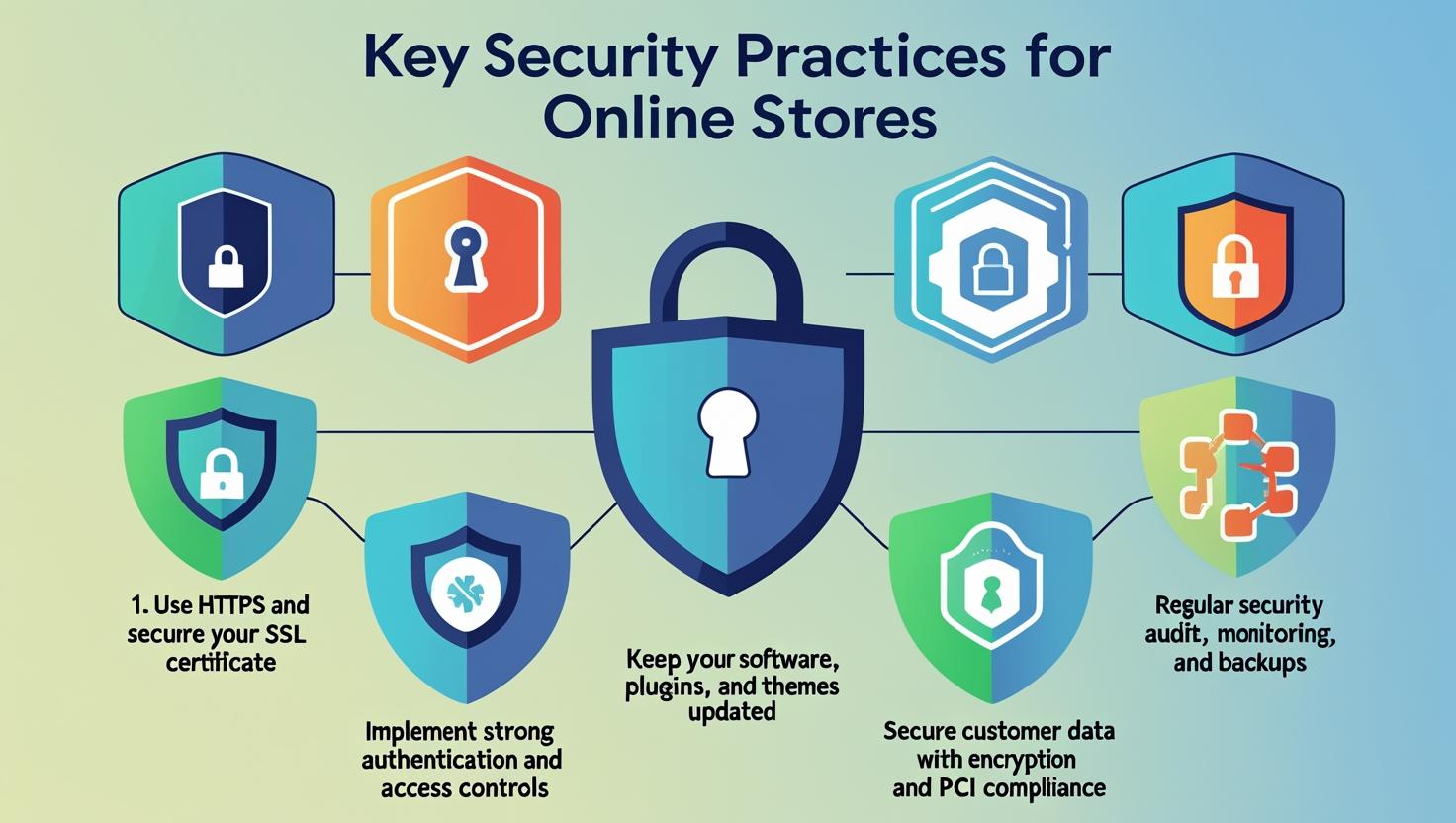
    Here are the top 5 security tips that every eCommerce store should implement– whether they are just preparing their launch or scaling their business to thousands of customers.

    1. Use HTTPS and Secure Your SSL Certificate

    Imagine you are shopping online and just as you’re about to enter your credit card details on the website, you notice the browser showing “Not secure”, would you still trust them? Of course not! Many customers will not be entering their important information just like that and rightfully so.

    That’s where HTTPS (HyperText Transfer Protocol Secure) comes into play. HTTPS will encrypt all the data that is being exchanged between the customer’s browser and the website, making it harder for attackers to steal sensitive information.

    The SSL (Secure Socket Layer) certificate encrypts data both in store and in transit and authenticates the user’s identity. Here is how you can implement an SSL Certificate:

    • Obtain an SSL certificate from a trustworthy certificate authority, such as Comodo or Let’s Encrypt.
    • Make sure that HTTPS is used to serve all of your store’s pages, not only the checkout page.
    • To enforce HTTPS connections, use HTTP Strict Transport Security (HSTS).

    Many big eCommerce companies like Shopify, WooCommerce and BigCommerce would include SSL Certificates by default to ensure that it is always active.

    2. Keep Your Software, Plugins and Themes Updated

    Keeping your software and plugins updated may sound like an obvious thing to do but believe it or not many do not implement this step. It is best to know that outdated systems are the leading cause of cyberattacks.

    Hackers constantly search websites for weaknesses in third-party extensions, themes, CMS platforms (such as WordPress), and out-of-date plugins. Especially when you run online eCommerce sites like Shopify, WooCommerce and Wix, unpatched plugins can be a major cause of risk for your business.

    Best practices would be: – 

    • When feasible, enable automated updates; otherwise, schedule manual updates on a regular basis.
    • Make use of reliable themes and plugins from developers you can trust and who have a history of frequent updates.
    • Unused extensions and plugins should be deleted. They pose a needless risk.

    Keep an eye out for any updates on the platform’s dashboard and make sure to update your site at least once a week.

    And if you are using a custom CMS or a self-hosted platform, ensure that your development team is always aware of the latest security fixes.

    3. Implement Strong Authentication and Access Controls

    Using weak passwords and shared logins is basically like giving an open invitation to cyber-attackers. Strong and secure authentication is a must for both you and your customer.

    Here are the following steps on what to do: –

    • All staff and admin accounts should have strong passwords that combine capital and lowercase letters, digits, and symbols.
    • For administrator access, use two-factor authentication (2FA). This easy procedure provides an additional degree of security.
    • Give employees access to only the areas of the store they require by using role-based access.

    Another way to consider this is that customer billing information is not required or necessary for your marketing staff to have access to. Segment access appropriately.

    4. Secure Customer Data with Encryption and PCI Compliance

    If your eCommerce platform works in such a way that you have to store, handle or process debit card, credit card or any type of payment information, then compliance with PCI DSS (Payment Card Industry Data Security Standard) is non-negotiable.

    PCI Compliance rules must be followed as they protect the customer’s credit card details. Some of those essential steps are: –

    • Don’t keep private credit card information on your servers.
    • Make use of reputable payment gateways that manage card data and guarantee PCI compliance, such as Square, PayPal, or Stripe.
    • Use AES-256 or another robust encryption standard to encrypt all customer data that is stored.

    Additionally, be open and honest about your data privacy guidelines. Consumers value knowing how their information is handled and safeguarded.

    PCI Compliance is automatically handled by platforms like Shopify and Wix. But if you are using a custom setup then it is your responsibility to ensure the PCI Compliance. To maintain the security and lower the danger of data breaches of your company, make sure that your payment systems and procedures adhere to these guidelines.

    5. Regular Security Audits, Monitoring, and Backups

    Your store’s digital doors may have the toughest locks, but that doesn’t mean you can rest easy. Similar to how you wouldn’t leave a physical store unattended at night, your online store also requires regular inspections and early warning systems in order to remain secure.

    Here is what to implement: –

    • To find vulnerabilities, do routine security audits.
    • To check for malware, open ports, and out-of-date components, use automated programs or consult professionals.
    • Install real-time monitoring software (such as SiteLock, Cloudflare, or Sucuri) to identify questionable activity.
    • Make regular backups of the databases and files in your store. Test recovery from time to time and store them elsewhere or in the cloud.

    There is no “set it and forget it” approach to security. You can create a robust eCommerce platform that can withstand cyberattacks and flourish in a trusting environment by conducting frequent audits, maintaining continuous monitoring, testing backups, and tracking activity.

    Conclusion! 

    Security is more like an investment rather than a cost in this case. If customers know and are ensured that their personal information is safe, they will surely be able to shop more often with peace of mind. They may also recommend your brand to many other people and so on.

    There is no compromise on security whether you own a small local shop or an international eCommerce business. This is essential if you want to grow your business and ensure customer satisfaction.

    Need Help with Securing Your Online Store?

    It is confusing for non-technical people to implement these security protocols to their platforms. Therefore, companies like Largify Solutions, a leading Pakistani tech firm, provide cybersecurity and end-to-end eCommerce development services. 

    They assist in making sure your store is secure and compliant with everything from penetration testing to custom firewalls. You can be in a far-off foreign country, and Largify Solutions will still present you with satisfactory results.

  • Integrating AI in eCommerce: Opportunities and Challenges

    Integrating AI in eCommerce: Opportunities and Challenges

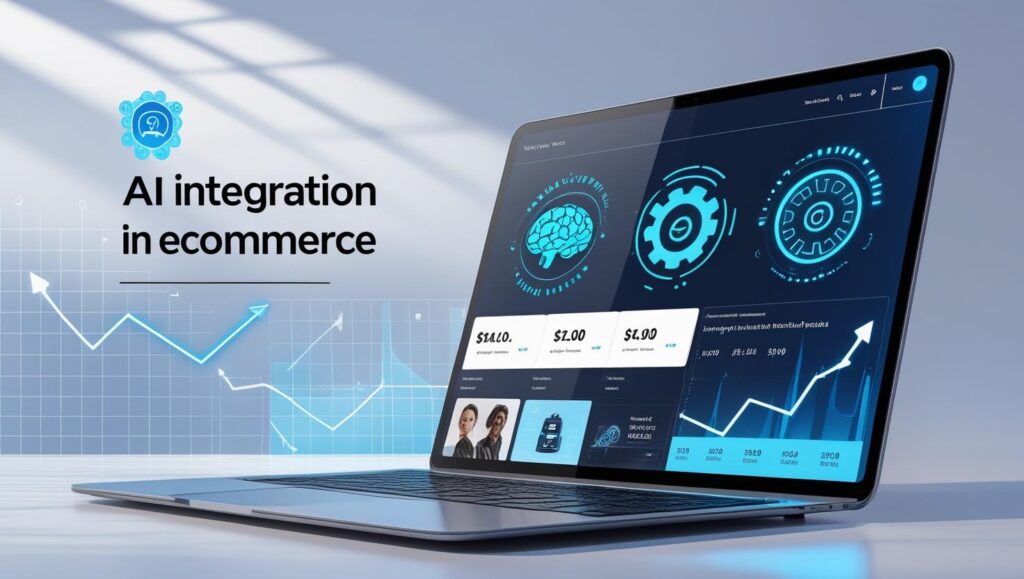
    E-commerce has helped businesses by helping them reach global consumers with just a single click. The introduction of AI in e-commerce has completely changed the way online businesses operate by leveling up efficiency, innovation, and customer experience.  

    AI has enormous potential for everything from inventory management to suggesting personalized products. But these potentials also bring with them practical difficulties that companies need to handle carefully.

    In this article, we will explore the enormous role of AI in eCommerce, highlighting the opportunities and challenges present and faced.

    Opportunities: AI Revolution in eCommerce

    1. Hyper-Personalized Shopping Experience 

    Competition is high, and customer demand has increased. Customers now demand more than just a transaction and exchange– they want a carefully organized and managed experience. 

    AI provides just that by tracking and analysing user behaviour, their purchase history, demographics, and even real-time behaviour to personalize product recommendations.

    Example: –

        A customer who just bought travel accessories will be recommended travel-sized essentials. Platforms like Amazon and Noon excel at this.

    1. Smarter Search and Voice Commerce

    AI has replaced the endless scroll in the search for a specific product with natural language search and image-based search. Customers can now even use voice assistants like Alexa or Google Assistant to help them find what they are looking for!

    Example: –

        The customer takes a reference photo of a shirt they’re looking for and uses AI, which leads them to stores with similar or exact style and colour.

    1. 24/7 AI Chatbots for Customer Support

    AI-powered chatbots can immediately respond to thousands of consumer inquiries, including purchase monitoring and return processing. 

    They reduce human workload, have faster response times, and can work 24/7 without getting tired.

    Example: –

         AI-powered chatbots are used by big brands like H&M to assist consumers with queries, purchases, and searches.

    Some chatbots, like Tidio or Drift, even improve their responses by learning from past conversations.

    1. Predictive Analytics and Dynamic Pricing

    AI can predict future trends by analysing current trends and demands of consumers, like what will be in demand next, or which regions show growth potential.

    In addition to this, businesses can now automatically modify prices in response to demand, seasonality, inventory levels, rival pricing, and consumer segments, all thanks to AI.

    Example: – 

        Many retail stores like Walmart, Target, and eBay would use AI to adjust prices based on market trends, competitive pricing, and demand.

    1. Inventory and Supply Chain Optimization

    AI is beneficial in keeping track of inventory needs and restocking. It also helps to detect any disruption in the supply chain early. Financially, this is a great method as it prevents over- or understocking and overall improves efficiency. 

    Example: –

        AI is used by platforms such as ClearMetal and Llamasoft to provide real-time insights into logistics and inventory management.

    1. Fraud Detection and Cybersecurity

    Detecting and preventing fraud is crucial for an e-commerce business. Machine learning models help with just that by analyzing transaction data to spot unusual behaviour, like mismatched locations and several failed transactions.

    Along with this, it can also identify fake reviews and flag suspicious accounts.

    Challenges: Real Hurdles in AI Adoption

    Though the benefits of AI in eCommerce are a lot. Businesses still go through many challenges while integrating AI into their work.

    1. Data Privacy and Ethical Concerns

    To get any work done, AI requires data. And AI collecting, storing, and analysing user data raises serious concerns since any mistake while handling the data can lead to bad consequences. 

    Due to this, the user may sue or take legal action against the company, which could severely damage the company’s reputation, affecting their sales.

    Important regulations to consider are: – 

    • GDPR (Europe)
    • CCPA (California)
    • PECA (Pakistan)

    It is also very important that you give insight to the user about how and where their personal information will be used.

    1. High Development and Maintenance Costs

    Integrating AI can be very expensive, especially for new or small businesses with a limited financial budget and limited resources.

    AI implementations require: –

    • AI professional
    • Large datasets 
    • Advanced infrastructures
    • Constant monitoring and updates 
    • Implementing AI in an already existing system 

    The cost of these requirements can be very substantial for a business, especially for a startup.

    Solution: –

         Make use of plug-and-play AI solutions like Google Cloud AI, Shopify’s AI integrations, or ready-made ML APIs that need little configuration.

    1. Integration with Older Systems

    Older and outdated sites and systems were not designed with AI in mind. And so, integrating AI into these systems can raise compatibility issues during the adoption process, creating friction.

    Solution: – 

    Start with modular AI integrations that complement your current tech stack, such as recommendation engines or chatbots.

    1. Over-Automation and Loss of Human Touch

    While AI and automation may save money, time, and human labour, users still prefer humans over AI when it comes to complaints and suggestions, since AI can come off as cold and rather direct.

    Humans can easily get overstimulated and stressed, and personal interaction plays a crucial role in handling such situations because AI is not aware of how human emotions work. So, for a smooth-running business, finding and adapting the right balance between both is important.

    Real World Examples: How AI is Being Used in E-commerce

    • Alibaba automatically creates thousands of product descriptions per second using an AI copywriting tool.
    • eBay uses AI for visual search, fraud detection, and image recognition.
    • Shopify gives retailers more power with features like AI-driven inventory management, smart retargeting, and predictive analytics.
    • AI is used by Daraz (Pakistan) for user interaction, logistical tracking, and product recommendations.

    Putting aside big companies, even smaller startups are becoming creative with AI integration. 

    Example: – 

        Savyour, a Pakistani eCommerce platform, to improve customer retention, is investigating AI-powered reward schemes and customization tools.

    Future AI Trends for eCommerce

    1. AI-Generated Content

    AI tools like ChatGPT, Jasper AI, and Copy.ai will be commonly used to generate product descriptions and promotional emails, along with personalized content.

    1. AR and AI Integration

    Customers can “try before they buy” with AR thanks to AI, which also helps to customize the UX experience. Imagine interior design visualizers or virtual changing rooms driven by AI, which would make the shopping experience more fun and effortless.

    1. Voice Commerce Growth

    The use of AI assistants for voice search and purchasing will increase dramatically as smart speakers become more prevalent in homes. e.g Alexa.

    How Largify Solutions Integrates AI into eCommerce

    Largify Solutions, a tech company, has helped many businesses and even startups with the integration of AI. 

    Some of those roles include: – 

    • Custom AI-Powered Recommendation Engines
    • Predictive Analytics & Dynamic Pricing Tools
    • AI Chatbots & Customer Support Automation
    • Seamless Integration with Legacy Systems

    Conclusion 

    AI is not a trend that will come and go. As time passes by, the use of AI has only increased. It has become the future of eCommerce, and businesses that implement AI in their systems will be able to effortlessly perform streamlined operations and stay ahead in any competition.

    However, just like it is said, “With great power comes great responsibility”, meaning that AI should be used with care. Any adoption strategy should prioritize data security, ethical considerations, and careful human-AI cooperation. 

    Don’t Know Where to Start?

    It can be confusing for a person who is not familiar with tech stuff as to where they should start with AI integration. 

    But worry not! Here is a simple roadmap on how to get started: –

    • Start with chatbots, or automated customer assistance.
    • Introduce intelligent search and recommendations.
    • Integrate dynamic pricing and predictive analytics gradually.
    • Examine ethical usage and privacy compliance.

    Even with this roadmap, it can be hard to actually implement AI in your e-commerce business. For this, an easy and best solution is to reach out to a tech company that will help and guide you through these procedures.

    A perfect example would be Largify Solutions. They have helped many e-commerce businesses and continue to do so in the upcoming years. 

    Many clients have shown their satisfaction in working with them because they leave no communication gaps and thoroughly discuss every matter with their clients. For them, building trust is also a priority, along with delivering the best results.